
Introduction
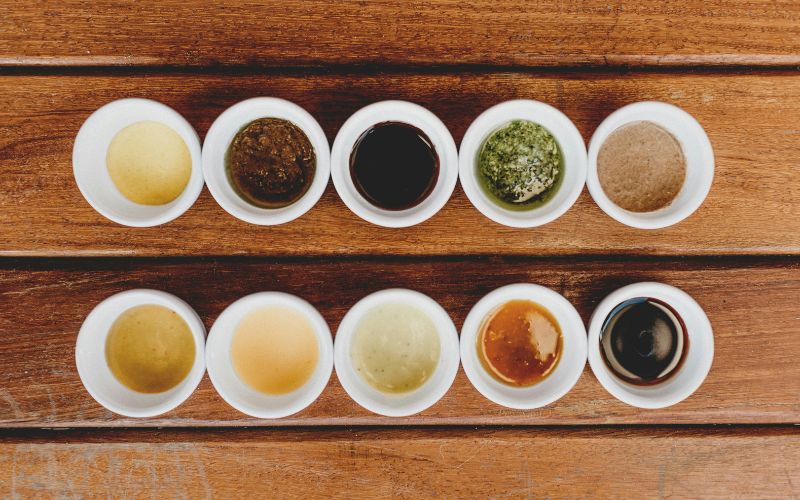
A shawarma isn’t truly complete without its signature sauce. While seasoned meat, warm pita, and fresh vegetables form the foundation of this iconic Middle Eastern dish, the sauce is what ties all the ingredients together. Whether it’s a bold garlic sauce, a nutty tahini dressing, or a creamy yogurt blend, shawarma sauce adds moisture, richness, and unforgettable flavor.
If you’ve ever wondered what shawarma sauce is, what ingredients it includes, or which sauce pairs best with chicken or beef shawarma, this guide covers everything you need to know. You’ll also discover the history behind traditional Middle Eastern sauces, popular variations, and why authentic shawarma sauce has become a favorite worldwide.
Direct Answer
Shawarma sauce is a flavorful condiment traditionally served with Middle Eastern shawarma. Depending on the region, it may be made from garlic, oil, lemon juice, tahini, yogurt, or spices. Popular varieties include Lebanese toum, tahini sauce, garlic yogurt sauce, and creamy white garlic sauce, each adding richness and balance to grilled meats and vegetables.
What Is Shawarma Sauce?
Shawarma sauce refers to a group of flavorful condiments served alongside or inside shawarma wraps, sandwiches, rice bowls, and platters. Rather than one universal recipe, different Middle Eastern countries have developed their own signature sauces based on local ingredients and culinary traditions.
Some sauces are intensely garlicky, while others are creamy, tangy, or nutty. Regardless of the variation, the goal remains the same: to complement the smoky, seasoned meat without overpowering its natural flavors.
The sauce is often spread inside the pita bread, drizzled over the meat, or served on the side as a dipping sauce.
Why Shawarma Sauce Is Important
Shawarma meat is slow-roasted and heavily seasoned, but it can still benefit from the moisture and balance that sauce provides.
A quality shawarma sauce helps:
- Enhance savory flavors
- Balance spices with acidity
- Add creaminess to every bite
- Keep wraps juicy
- Complement fresh vegetables
- Improve the overall eating experience
Many restaurants consider their signature sauce to be the secret ingredient that sets them apart.
What Makes Shawarma Sauce Different?
Unlike mayonnaise-based sandwich spreads or ketchup, authentic shawarma sauces are rooted in Middle Eastern cuisine and emphasize fresh, simple ingredients.
Common characteristics include:
- Fresh garlic flavor
- Bright lemon juice
- Olive or neutral oils
- Tahini (sesame paste)
- Thick yogurt
- Mediterranean herbs
- Natural acidity
These ingredients create a sauce that feels light yet flavorful, making it ideal for grilled meats.
The History and Origin of Shawarma Sauce
Like shawarma itself, shawarma sauces originated throughout the Middle East. As the famous meat dish spread across Lebanon, Syria, Turkey, Jordan, Palestine, and neighboring countries, each region developed sauces that reflected local tastes.
Today, many of these traditional sauces are recognized worldwide and remain staples in Middle Eastern cooking.
Lebanese Garlic Sauce (Toum)
Perhaps the most recognizable shawarma sauce is toum, a powerful garlic emulsion originating in Lebanon.
Unlike creamy American sauces, toum contains no dairy. It combines:
- Fresh garlic
- Neutral oil
- Lemon juice
- Salt
When blended correctly, these ingredients transform into a fluffy, white sauce with a smooth, mayonnaise-like texture.
Its bold garlic flavor makes it especially popular with chicken shawarma.
Tahini Sauce
Tahini sauce has long been associated with the Levant and Eastern Mediterranean.
Made from sesame seed paste mixed with lemon juice, garlic, and water, tahini sauce offers a creamy consistency with a distinct nutty flavor.
It pairs exceptionally well with:
- Beef shawarma
- Lamb shawarma
- Falafel
- Grilled vegetables
Yogurt-Based Sauces
Across the Mediterranean, yogurt has been used for centuries as both a marinade and a sauce.
By combining yogurt with garlic, herbs, cucumber, lemon juice, and spices, cooks create refreshing sauces that cool spicy meats while adding protein and creaminess.
These sauces are especially common in homemade shawarma recipes.
Shawarma Sauce Ingredients
Although recipes vary, most shawarma sauces rely on a handful of fresh ingredients that work together to create bold yet balanced flavors.
Garlic
Garlic is the defining ingredient in many authentic shawarma sauces.
Fresh garlic provides:
- Strong aroma
- Natural heat
- Savory depth
- Signature Middle Eastern flavor
For the smoothest texture, fresh garlic cloves are preferred over garlic powder.
Lemon Juice
Fresh lemon juice brightens the sauce and balances the richness of oils or yogurt.
It also:
- Adds freshness
- Helps preserve flavor
- Reduces heaviness
- Complements grilled meat
Freshly squeezed lemons produce the best results.
Oil
Neutral oils such as sunflower or canola oil are commonly used when making toum because they emulsify more easily than olive oil.
Oil contributes:
- Creamy texture
- Smooth consistency
- Rich mouthfeel
Yogurt
Greek yogurt is commonly used in homemade shawarma sauce because it is thick, tangy, and protein-rich.
Yogurt helps:
- Soften garlic intensity
- Add creaminess
- Cool spicy meats
- Improve texture
Tahini
Tahini is a paste made from ground sesame seeds.
Its flavor is:
- Nutty
- Earthy
- Slightly bitter
- Rich and creamy
Tahini forms the base of many traditional sauces served with beef and lamb shawarma.
Herbs and Spices
Depending on the recipe, cooks may include:
- Parsley
- Dill
- Mint
- Paprika
- Cumin
- Black pepper
- Sumac
These ingredients add aroma and complexity without masking the main flavors.
Salt
Salt enhances every ingredient and helps balance acidity from lemon juice.
Even a small amount can significantly improve the overall taste.
How Shawarma Sauce Is Made
Although recipes differ, most shawarma sauces are surprisingly simple to prepare.
The key lies in achieving the right balance between acidity, richness, and texture.
Garlic Emulsion (Toum)
Traditional toum is made by slowly blending garlic with oil while gradually adding lemon juice.
The process creates a stable emulsion similar to mayonnaise—but without eggs.
When prepared correctly, toum becomes:
- Thick
- White
- Fluffy
- Smooth
- Intensely garlicky
Tahini Sauce
Tahini sauce begins with sesame paste mixed with fresh lemon juice.
Water is added gradually until the mixture becomes creamy and pourable.
Garlic, salt, cumin, and parsley are often added for additional flavor.
Yogurt Garlic Sauce
This beginner-friendly version combines:
- Greek yogurt
- Minced garlic
- Lemon juice
- Olive oil
- Salt
- Fresh herbs
Everything is whisked together in just a few minutes, making it one of the easiest homemade shawarma sauces.
Restaurant-Style Creamy Sauce
Many restaurants create a milder white sauce by blending yogurt, mayonnaise, garlic, lemon juice, and carefully selected spices.
This version offers a smoother texture and appeals to diners who prefer less intense garlic flavor.
Types of Shawarma Sauce
Although many people think there’s only one shawarma sauce, restaurants across the Middle East serve several distinct varieties.
Each offers a unique flavor profile and pairs differently with meats and vegetables.
Toum (Lebanese Garlic Sauce)
The most iconic choice, known for its bold garlic taste and fluffy texture.
Best with:
- Chicken shawarma
- French fries
- Grilled chicken
- Garlic potatoes
Tahini Sauce
A creamy sesame-based sauce with earthy, nutty flavors.
Best with:
- Beef shawarma
- Lamb shawarma
- Falafel
- Roasted vegetables
Garlic Yogurt Sauce
A lighter alternative that combines yogurt with garlic, lemon juice, and herbs.
Best with:
- Chicken wraps
- Shawarma bowls
- Salads
- Grilled vegetables
White Garlic Sauce
A smooth, creamy version commonly found in many shawarma restaurants.
Its balanced garlic flavor makes it suitable for both chicken and beef shawarma.
Spicy Shawarma Sauce
Prepared by adding chili paste, cayenne pepper, or hot sauce to traditional garlic or yogurt-based sauces.
Perfect for those who enjoy extra heat without sacrificing creaminess.
Creamy Shawarma Sauce
A modern variation featuring yogurt or mayonnaise blended with garlic, herbs, and spices for a rich, smooth finish.
It is widely used in restaurant-style wraps and sandwiches.
Best Shawarma Sauce for Different Meats
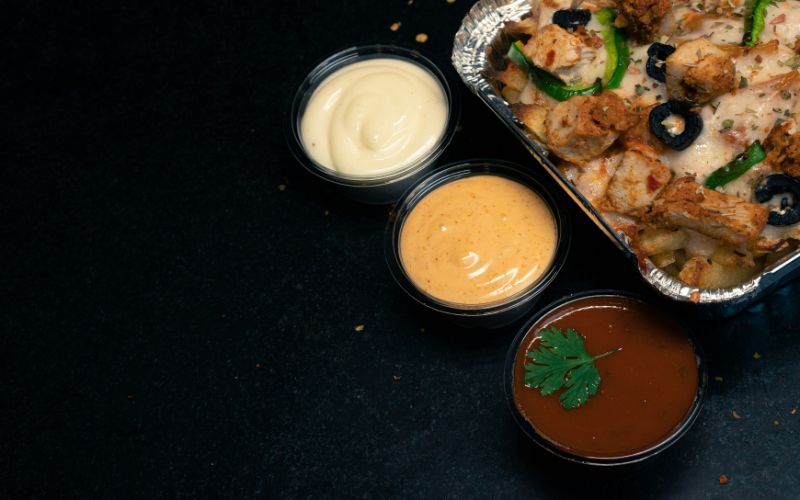
Not every shawarma sauce pairs equally well with every type of meat. Choosing the right sauce can elevate the flavors of chicken, beef, lamb, or even vegetarian shawarma. Here are the best combinations recommended by Middle Eastern chefs and restaurants.
Chicken Shawarma Sauce
Chicken shawarma has a mild, savory flavor with warm spices, making it ideal for creamy and garlicky sauces.
Best sauces for chicken shawarma:
- Lebanese toum (garlic sauce)
- White garlic sauce
- Garlic yogurt sauce
- Creamy shawarma sauce
- Mild spicy garlic sauce
The bold garlic flavor complements juicy chicken without overpowering the seasoning.
Beef Shawarma Sauce
Beef shawarma has a richer and more robust flavor than chicken. Nutty and tangy sauces work especially well.
Recommended sauces:
- Tahini sauce
- Tahini garlic sauce
- Garlic yogurt sauce
- Spicy tahini sauce
Tahini balances the richness of beef while adding a smooth, earthy finish.
Lamb Shawarma Sauce
Lamb’s distinctive flavor pairs beautifully with sauces that offer freshness and acidity.
Popular choices include:
- Tahini sauce
- Mint yogurt sauce
- Garlic yogurt sauce
- Lemon herb sauce
These sauces lighten the richness of lamb and create a well-balanced bite.
Vegetarian Shawarma Sauce
Vegetarian shawarma often includes roasted vegetables, mushrooms, cauliflower, chickpeas, or falafel.
Excellent sauce options include:
- Tahini sauce
- Yogurt garlic sauce
- Hummus
- Herb yogurt sauce
- Spicy white sauce
These sauces enhance vegetables without masking their natural flavors.
Benefits of Shawarma Sauce
Shawarma sauce does much more than add flavor. When prepared with fresh ingredients, it improves both texture and the overall dining experience.
Enhances Flavor
Fresh garlic, herbs, lemon juice, and spices add layers of flavor that complement seasoned meat.
Adds Moisture
Slow-roasted meat can occasionally become dry, especially when reheated. Shawarma sauce keeps wraps juicy and enjoyable.
Balances Spices
The acidity from lemon juice and the creaminess of yogurt or tahini soften spicy seasonings, creating a more balanced flavor profile.
Adds Nutritional Value
Depending on the recipe, shawarma sauce may contain ingredients that provide:
- Healthy fats from tahini
- Protein from Greek yogurt
- Antioxidants from garlic
- Vitamin C from lemon juice
- Calcium from dairy-based sauces
While sauces should be enjoyed in moderation, many traditional recipes use wholesome ingredients rather than heavily processed additives.
Shawarma Sauce vs Similar Sauces
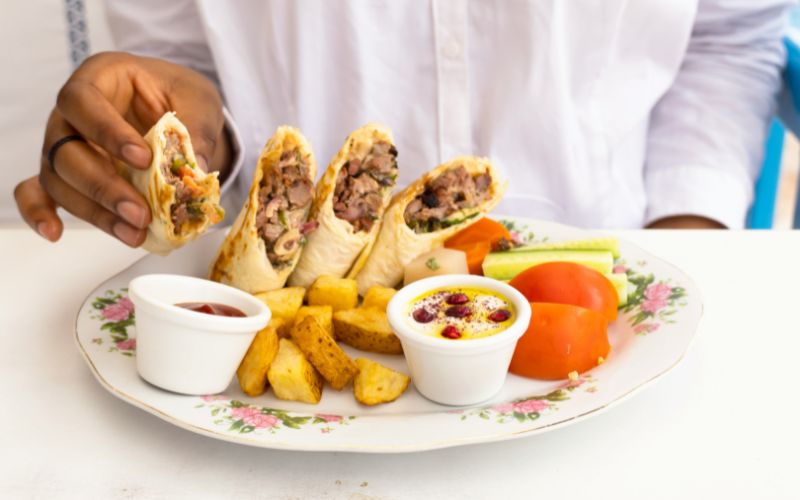
Although shawarma sauce shares ingredients with several Mediterranean condiments, each sauce has a unique flavor and purpose.
| Sauce | Main Ingredients | Flavor | Best Used With |
| Toum | Garlic, oil, lemon | Bold, garlicky | Chicken shawarma |
| Tahini Sauce | Tahini, garlic, lemon | Nutty, creamy | Beef and lamb |
| Garlic Yogurt Sauce | Yogurt, garlic, herbs | Tangy, refreshing | Chicken wraps |
| Hummus | Chickpeas, tahini | Rich, earthy | Falafel and vegetables |
| Tzatziki | Yogurt, cucumber, dill | Cool, refreshing | Gyros and grilled meats |
Key takeaway: While tzatziki is common in Greek cuisine, authentic Middle Eastern shawarma traditionally uses toum or tahini rather than cucumber-based sauces.
How Shawarma Sauce Is Used
One of the reasons shawarma sauce is so popular is its versatility. Beyond wraps, it complements many dishes.
Shawarma Wraps
The most common use is spreading sauce inside pita or flatbread before adding meat and vegetables.
Shawarma Rice Bowls
A drizzle of garlic or tahini sauce transforms a simple rice bowl into a restaurant-quality meal.
Shawarma Platters
Traditional platters often include a generous serving of sauce alongside grilled meat, rice, pickles, and salad.
Dipping Sauce
Many people enjoy shawarma sauce as a dip for:
- French fries
- Potato wedges
- Chicken tenders
- Fresh vegetables
- Pita bread
Sandwich Spread
Garlic sauce also works well in sandwiches, burgers, and grilled chicken wraps.
Salad Dressing
Thin yogurt or tahini-based shawarma sauce with a little extra lemon juice and water to create a flavorful Mediterranean salad dressing.
Best Practices for Making Authentic Shawarma Sauce
Professional chefs follow several simple techniques to create smooth, flavorful sauces.
Use Fresh Garlic
Fresh cloves produce the strongest flavor and smoothest texture.
Avoid garlic powder whenever possible.
Always Use Fresh Lemon Juice
Fresh lemons provide brighter flavor than bottled juice.
The natural acidity also helps balance garlic and oil.
Blend Slowly
When preparing toum, add oil gradually while blending continuously.
This creates a stable emulsion that won’t separate.
Chill Before Serving
Most shawarma sauces taste even better after resting in the refrigerator for 30–60 minutes.
This allows the flavors to fully develop.
Taste Before Serving
Adjust:
- Salt
- Lemon juice
- Garlic
- Herbs
until the flavor is balanced.
Common Mistakes to Avoid
Even simple sauces can go wrong without proper technique.
Adding Oil Too Quickly
The emulsion can break, leaving the sauce oily instead of creamy.
Using Old Garlic
Older garlic develops bitterness that affects the final flavor.
Too Much Lemon Juice
Excess acidity can overpower the sauce.
Start small and adjust gradually.
Over-Thinning the Sauce
Adding too much water makes yogurt and tahini sauces runny.
Add liquid one tablespoon at a time.
Skipping Rest Time
Freshly made sauce often tastes sharper.
Allowing it to chill improves texture and flavor.
Homemade Shawarma Sauce Recipe
If you want restaurant-quality shawarma at home, this simple garlic yogurt sauce is an excellent place to start.
Ingredients
- 1 cup plain Greek yogurt
- 3 garlic cloves, minced
- 2 tablespoons fresh lemon juice
- 1 tablespoon olive oil
- 1 teaspoon tahini (optional)
- ½ teaspoon salt
- ¼ teaspoon black pepper
- 1 tablespoon chopped parsley
- ½ teaspoon paprika (optional)
Step 1: Prepare the Garlic
Finely mince or grate the garlic until smooth.
This prevents large chunks in the finished sauce.
Step 2: Mix the Base
Combine:
- Greek yogurt
- Garlic
- Lemon juice
- Olive oil
Whisk until smooth.
Step 3: Add Seasoning
Mix in:
- Salt
- Pepper
- Paprika
- Parsley
- Tahini (optional)
Continue whisking until fully combined.
Step 4: Chill
Cover and refrigerate for at least 30 minutes.
This allows the garlic and herbs to infuse throughout the sauce.
Step 5: Serve
Use the sauce with:
- Chicken shawarma
- Beef shawarma
- Lamb shawarma
- Shawarma bowls
- Pita sandwiches
- French fries
- Grilled vegetables
Storage Tips
Store homemade shawarma sauce in an airtight container in the refrigerator.
- Best used within 3–5 days.
- Stir before serving if separation occurs.
- Avoid freezing yogurt-based sauces, as the texture may change after thawing.
Real-World Examples
Restaurant Chicken Shawarma Wrap
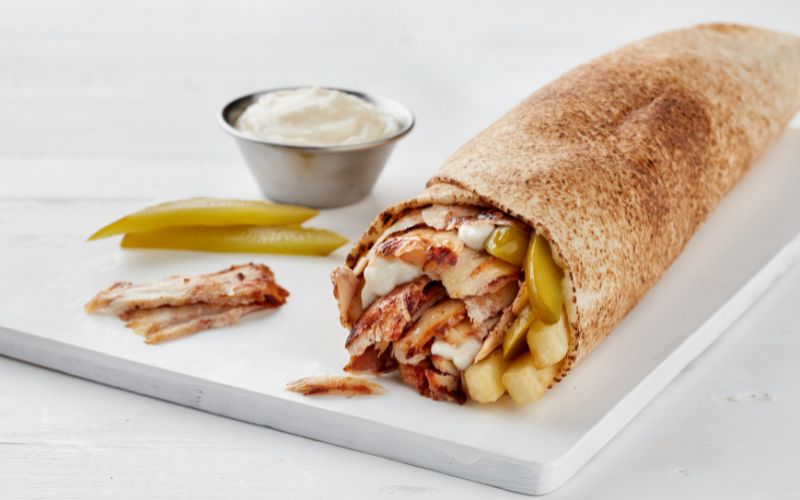
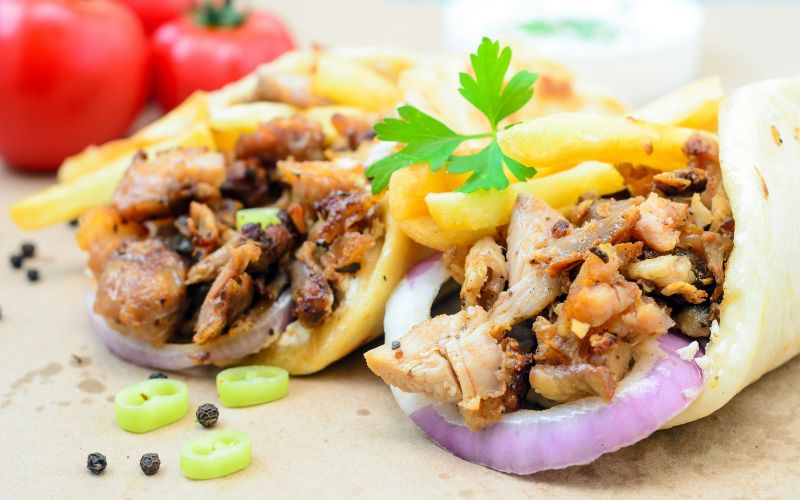
Many Lebanese restaurants spread a generous layer of toum garlic sauce inside warm pita before adding sliced chicken, pickles, and fries. The result is a bold, creamy wrap with a signature garlic kick.
Beef Shawarma Rice Bowl
A popular Middle Eastern rice bowl features seasoned beef shawarma over rice, topped with tahini sauce, fresh salad, and pickled vegetables. The nutty tahini balances the richness of the beef.
Homemade Family Dinner
For a quick weeknight meal, families often prepare grilled chicken, fresh vegetables, and warm pita, then serve a garlic yogurt sauce on the side. This versatile sauce doubles as a dip and a dressing, making it a crowd-pleaser for both adults and children.
People Also Ask
Is shawarma sauce the same as garlic sauce?
Not always. Garlic sauce (especially Lebanese toum) is one of the most popular shawarma sauces, but shawarma can also be served with tahini sauce, yogurt garlic sauce, spicy sauces, or creamy white sauces depending on the region and the type of meat.
What sauce is traditionally served with shawarma?
Traditional shawarma sauces vary across the Middle East. Chicken shawarma is commonly served with Lebanese garlic sauce (toum), while beef and lamb shawarma are often paired with tahini sauce made from sesame paste, lemon juice, and garlic.
What does shawarma sauce taste like?
The flavor depends on the recipe. Garlic-based sauces are creamy, bold, and tangy, while tahini sauce has a rich, nutty taste. Yogurt shawarma sauces are lighter, slightly tangy, and refreshing, making them ideal for balancing the spices in shawarma.
Can I make shawarma sauce without tahini?
Yes. Many authentic recipes, especially Lebanese toum, do not use tahini at all. A simple blend of garlic, oil, lemon juice, and salt creates a delicious dairy-free shawarma sauce.
Frequently Asked Questions
1. What is the best sauce for chicken shawarma?
Lebanese garlic sauce (toum) is widely considered the best sauce for chicken shawarma because its bold garlic flavor and creamy texture perfectly complement the seasoned chicken.
2. What is authentic shawarma sauce made of?
Authentic shawarma sauce typically includes garlic, lemon juice, oil, tahini, yogurt, herbs, and spices. The exact ingredients vary by country and regional tradition.
3. Is shawarma sauce spicy?
Most traditional shawarma sauces are not spicy. However, many restaurants offer spicy versions by adding chili paste, cayenne pepper, or hot sauce.
4. How long does homemade shawarma sauce last?
Homemade shawarma sauce should be stored in an airtight container in the refrigerator and is best consumed within 3–5 days. Always stir before serving if separation occurs.
5. Can shawarma sauce be used as a dip?
Yes. Shawarma sauce is excellent as a dipping sauce for fries, grilled chicken, roasted vegetables, pita bread, falafel, and even fresh vegetables.
6. Is shawarma sauce healthy?
It depends on the ingredients. Yogurt- and tahini-based sauces provide protein and healthy fats, while garlic and lemon add beneficial nutrients. Choosing homemade versions allows you to control the amount of oil and salt.
Key Takeaways
- Shawarma sauce is a collection of traditional Middle Eastern sauces served with shawarma.
- Lebanese toum is the classic garlic sauce for chicken shawarma.
- Tahini sauce is the traditional pairing for beef and lamb shawarma.
- Yogurt garlic sauce is a lighter, refreshing alternative.
- Homemade shawarma sauce is easy to prepare using fresh garlic, lemon juice, yogurt, or tahini.
- The right sauce enhances flavor, adds moisture, and balances the spices in shawarma.
- Shawarma sauce can also be used as a dip, dressing, or sandwich spread.
Conclusion
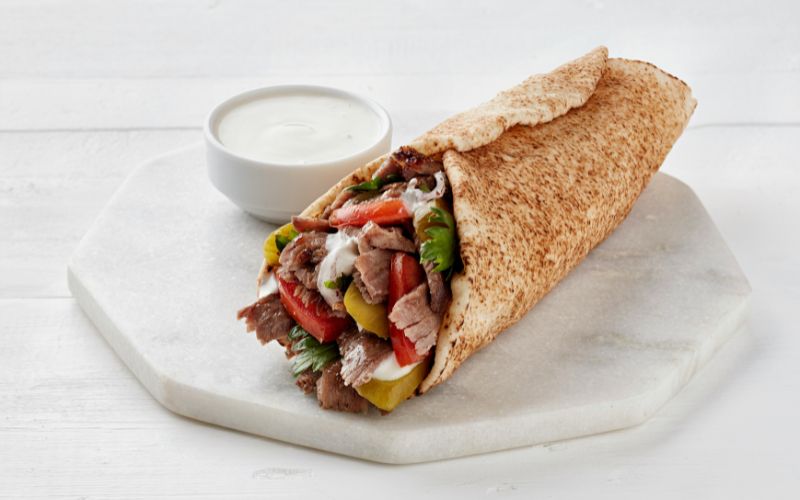
Shawarma sauce is far more than a simple condiment—it’s one of the defining elements of authentic Middle Eastern cuisine. Whether you prefer the bold flavor of Lebanese toum, the rich nuttiness of tahini, or the refreshing taste of garlic yogurt sauce, each variation brings something unique to the table.
Understanding what shawarma sauce is helps you appreciate the traditions behind this iconic dish while giving you the confidence to recreate restaurant-quality flavors at home. With fresh ingredients and simple techniques, you can prepare delicious homemade shawarma sauces that pair perfectly with chicken, beef, lamb, vegetables, and more.
If you’re exploring Middle Eastern cooking, mastering these classic sauces is one of the best ways to elevate your homemade shawarma experience.