
Introduction
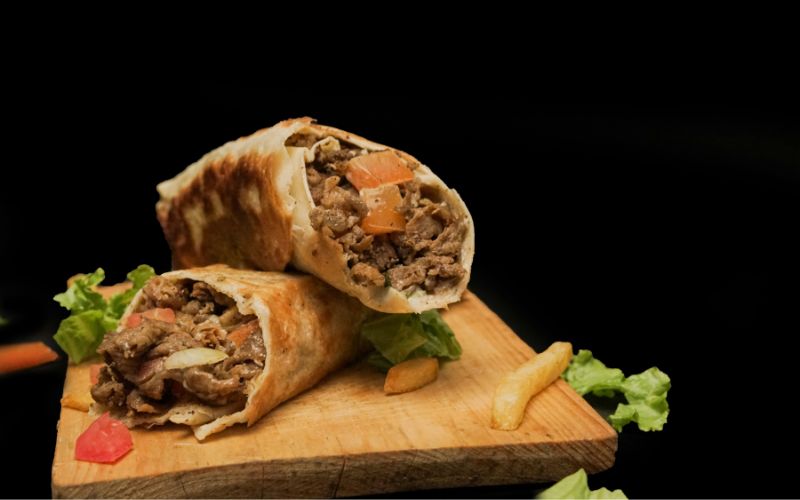
Beef shawarma is a Middle Eastern dish made from thinly sliced marinated beef that is slow roasted on a vertical rotisserie. The cooked meat is shaved off and served in pita bread, wraps, or rice plates with vegetables and sauces like tahini or garlic sauce. Known for its rich flavor, tender texture, and aromatic spices, beef shawarma is one of the most popular street foods worldwide and is widely available in restaurants across the United States.
What is Beef Shawarma? If you’ve ever walked past a Middle Eastern restaurant in the USA and smelled rich spices, sizzling meat, and warm pita bread, chances are you’ve encountered beef shawarma. This iconic dish is one of the most popular street foods worldwide and has gained massive popularity across American cities like New York City, Los Angeles, and Chicago.
Beef shawarma is more than just a sandwich—it’s a culinary experience. It combines slow-roasted beef shawarma meat, bold spices, creamy sauces, and soft bread into a satisfying and flavorful meal.
In this complete guide, you’ll learn everything about beef shawarma, including its history, preparation, nutrition profile, variations, benefits, and how to make it at home.
What Is Beef Shawarma? Meaning and Definition
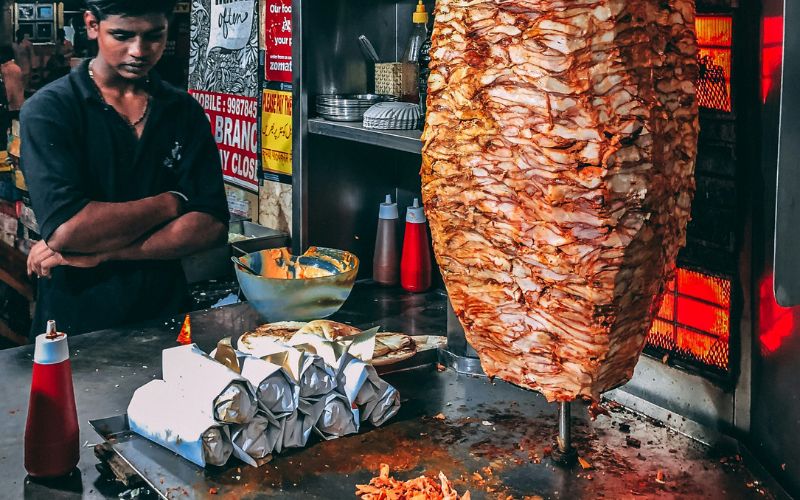
Beef shawarma is a Middle Eastern dish made from thin slices of marinated beef stacked on a vertical rotisserie and slow-roasted for hours. As the outer layer cooks, it is shaved off and served in wraps, plates, or sandwiches.
Key Characteristics
- Made with slow-roasted beef shawarma meat
- Cooked on a vertical rotisserie
- Served in pita bread, wraps, or rice plates
- Topped with sauces like tahini, garlic sauce, or yogurt
- Popular Middle Eastern beef shawarma street food
- The cooking method allows the meat to remain juicy while developing a crispy exterior.
History and Origin of Beef Shawarma
Beef shawarma originated in the Middle East and traces its roots back to the Ottoman Empire. The vertical rotisserie cooking technique evolved from traditional meat roasting methods.
Evolution Timeline
- 1800s: The vertical rotisserie was invented in Turkey
- 1900s: Spread across Middle Eastern countries
- 2000s: Became popular globally, including the USA
- Today: Common street food and restaurant menu items worldwide
Shawarma influenced other dishes such as wraps and street sandwiches across cultures.
How Beef Shawarma Is Made (Step-by-Step Process)
Understanding how beef shawarma is made helps you appreciate its unique flavor.
Step 1: Selecting the Beef
Common Cuts Used
- Sirloin
- Ribeye
- Top round
- Flank steak
These cuts provide the perfect balance of tenderness and flavor.
Step 2: Marinating the Beef
Beef Shawarma Spices and Seasoning
The secret lies in beef shawarma spices and seasoning, which typically include:
- Garlic
- Cumin
- Coriander
- Paprika
- Turmeric
- Cinnamon
- Black pepper
- Vinegar or lemon juice
- Olive oil
The meat marinates for 12–24 hours.
Step 3: Stacking on Vertical Rotisserie
Vertical Rotisserie Cooking Method
The marinated beef is stacked in layers on a vertical spit and slow-roasted.
This is known as beef shawarma on vertical rotisserie, allowing:
- Even cooking
- Crispy exterior
- Juicy interior
Step 4: Slicing and Serving
Serving Methods
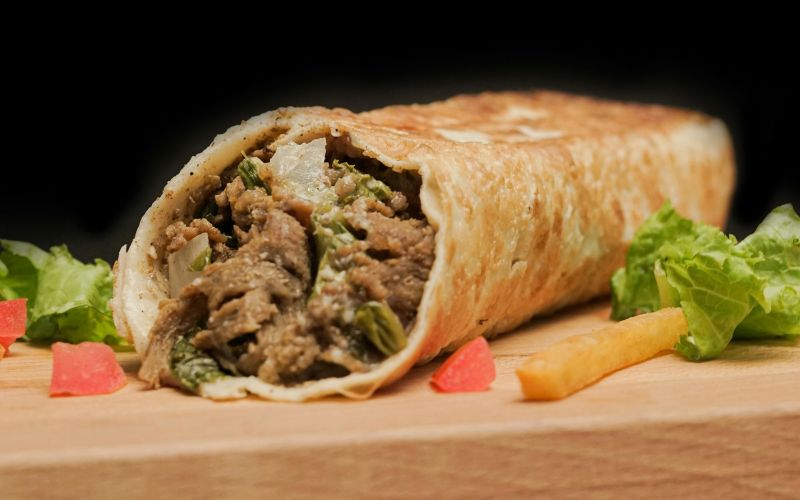
The cooked beef is shaved into thin slices and served as:
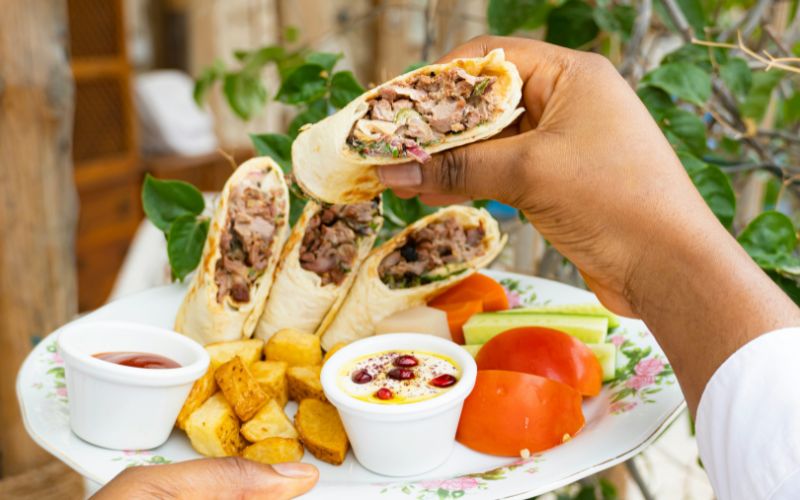
Beef shawarma wrap
Beef shawarma pita with tahini
Beef shawarma plate with rice
Types and Variations of Beef Shawarma
Beef shawarma comes in several popular styles.
Beef Shawarma Wrap
Features
- Served in pita or flatbread
- Includes vegetables and sauce
- Portable and convenient
Beef Shawarma Plate
Features
- Served with rice
- Includes salad and sauces
- Larger portion size
Street-Style Beef Shawarma
Features
- Authentic Middle Eastern beef shawarma street food
- Wrapped tightly in thin bread
- Often includes pickles and garlic sauce
American-Style Beef Shawarma
Features
- Larger portions
- More sauce options
- Fusion flavors
Beef Shawarma Nutrition Profile
Beef shawarma provides essential nutrients when consumed in moderation.
Nutritional Benefits
- Protein: Muscle growth and repair
- Iron: Supports oxygen transport
- Vitamin B12: Brain and nerve function
- Zinc: Boosts immunity
Average Nutrition (Per Serving)
- Calories: 400–600
- Protein: 25–35g
- Fat: 15–30g
- Carbohydrates: 30–50g
Nutrition varies depending on ingredients and serving size.
Benefits and Advantages of Beef Shawarma
1. High Protein Content
Supports muscle growth and keeps you full longer.
2. Rich Flavor Profile
Unique spice combinations create bold taste.
3. Versatile Serving Options
Common Serving Styles
Wrap
Bowl
Plate
Sandwich
4. Convenient Meal Option
Easy to eat on the go.
5. Customizable Meal
You Can Control
Calories
Sauce amount
Vegetables
Beef vs Chicken Shawarma Difference
Many people compare beef and chicken shawarma.
Key Differences
Flavor
Beef shawarma: Rich and bold
Chicken shawarma: Light and mild
Texture
Beef shawarma: Juicy and firm
Chicken shawarma: Softer
Fat Content
Beef shawarma: Higher
Chicken shawarma: Lower
Protein
Both are high in protein
Popularity
Beef shawarma: Traditional
Chicken shawarma: More common in the USA
Beef shawarma offers a deeper flavor, while chicken is leaner.
How Beef Shawarma Is Used in Real Life
Beef shawarma is used in many ways across restaurants and homes.
Popular Uses
Restaurant menu items
Street food vendors
Homemade meals
Catering events
Meal prep
Tools and Ingredients Required
Essential Tools
Vertical rotisserie (or grill)
Sharp knife
Mixing bowl
Cutting board
Essential Ingredients
Main Ingredients
Beef slices
Shawarma spices
Olive oil
Garlic
Vinegar or lemon juice
Pita bread
Tahini sauce
Tahini is a sesame-based sauce commonly used in Middle Eastern cuisine.
Step-by-Step Guide to Making Beef Shawarma at Home
Step 1: Prepare Marinade
Ingredients to Mix
Garlic
Olive oil
Spices
Lemon juice
Step 2: Marinate the beef
Marination Time
Refrigerate for 12–24 hours.
Step 3: Cook the beef
Cooking Methods
- Grill
- Oven
- Pan
Cook until browned.
Step 4: Slice Thinly
Proper Slicing Technique
Cut into thin strips.
Step 5: Assemble Wrap
Assembly Ingredients
- Vegetables
- Tahini sauce
- Pickles
Your homemade beef shawarma is ready.
Best Practices and Expert Tips
Tip 1: Marinate Longer
Longer marination improves flavor.
Tip 2: Slice Thinly
Thin slices ensure tenderness.
Tip 3: Use Fresh Spices
Fresh spices enhance aroma.
Tip 4: Don’t Overcook
Overcooking makes meat dry.
Tip 5: Balance Sauces
Too much sauce can overpower flavor.
Common Mistakes to Avoid
Mistake 1: Using Tough Meat
Choose tender cuts.
Mistake 2: Skipping Marinade Time
This reduces flavor.
Mistake 3: Thick Slices
Makes shawarma harder to eat.
Mistake 4: Overloading Wrap
Makes it messy.
Mistake 5: Low-Quality Spices
Reduces authenticity.
Real-World Example Scenario
Restaurant Experience Example
Imagine you visit a Middle Eastern restaurant. You order a beef shawarma wrap.
Preparation Process
The chef:
Slices slow roasted beef shawarma meat
Adds vegetables
Drizzles tahini sauce
Wraps it in warm pita
You get a flavorful, protein-rich meal in minutes.
FAQs About Beef Shawarma
1. What is beef shawarma made of?
Beef shawarma is made from marinated beef cooked on a vertical rotisserie and served in wraps or on plates.
2. Is beef shawarma healthy?
Yes, it is rich in protein and nutrients, but moderation is important due to the fat content.
3. What does beef shawarma taste like?
It tastes savory, smoky, and spicy with rich seasoning.
4. What is the difference between beef shawarma and gyro?
Shawarma uses Middle Eastern spices, while gyro uses Greek seasoning.
5. Can you make beef shawarma at home?
Yes, using a grill, oven, or pan.
6. Why is shawarma cooked vertically?
Vertical cooking ensures even roasting and better flavor.
Conclusion: Why Beef Shawarma Is So Popular
Now you fully understand what is beef shawarma, how it’s made, and why it’s one of the most loved street foods in the world.
Key Reasons for Popularity
Rich flavor
High protein content
Versatility
Authentic cooking method
Global popularity
Whether you enjoy a beef shawarma wrap, plate, or homemade version, it’s a delicious and satisfying meal.
2 Replies to “What Is Beef Shawarma? Flavor & Nutrition Guide”