
Introduction
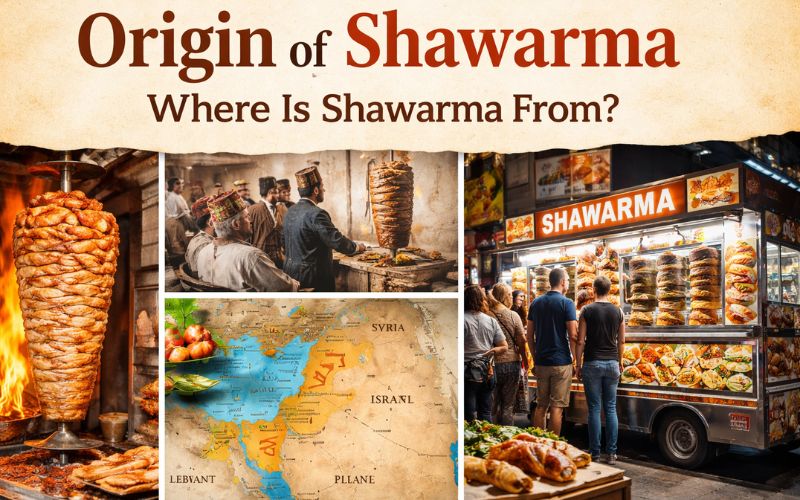
The Origin of Shawarma (Where Is Shawarma From) is one of the most searched culinary questions in the United States today. As shawarma becomes a staple in American food trucks, Mediterranean restaurants, and home kitchens, many people want to understand its true roots.
Shawarma is not just a trendy wrap it is a dish with deep historical, cultural, and culinary significance. From the streets of the Middle East to cities like New York and Los Angeles, its journey reflects migration, innovation, and global food evolution.
Understanding the shawarma origin Middle East background helps build appreciation for one of the world’s most beloved street foods.
Where is shawarma from?
The origin of shawarma traces back to the Levant region of the Middle East during the 19th century under the Ottoman Empire. It evolved from vertical spit roasting techniques and became one of the world’s most popular street foods before spreading to the United States.
Meaning / Definition / Overview
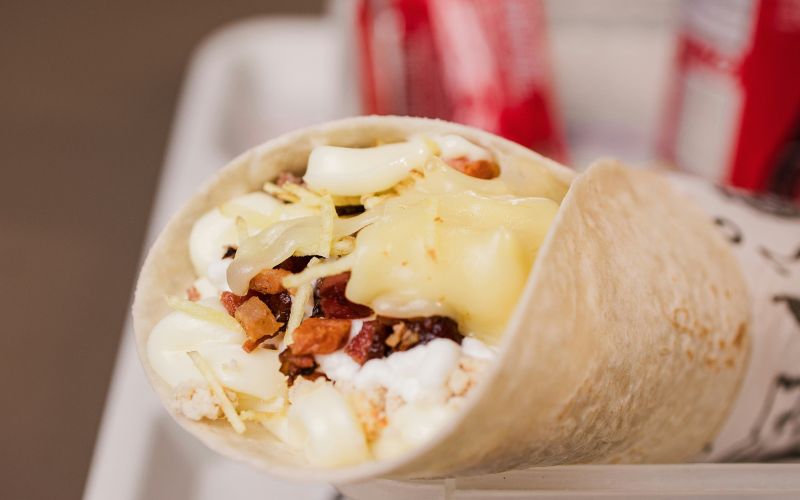
Shawarma is a Middle Eastern dish made by stacking marinated meat on a vertical rotating spit and slow-roasting it. Thin slices are shaved off and served in pita bread with sauces and vegetables.
The cooking technique traces back to the Ottoman Empire. The word “shawarma” is derived from a Turkish term meaning “turning,” referring to the rotating spit.
What Makes Shawarma Unique?
- Vertical spit roasting
- Deep spice marinades
- Thin shaved meat texture
- Served as wraps, plates, or bowls
Why Americans Love It
- Portable and convenient
- High-protein meal option
- Customizable toppings
- Strong Mediterranean flavor profile
History / Background / Origin
The Origin of Shawarma (Where Is Shawarma From?)
The shawarma birthplace Levant region is widely recognized as the area where the dish evolved into its modern form. The Levant includes:
- Lebanon
- Syria
- Jordan
- Israel
Shawarma Roots Ottoman Empire
The origin of vertical spit roasting shawarma began during the 19th century in the Ottoman Empire. Cooks discovered that stacking meat vertically allowed for:
- Even cooking
- Self-basting
- Efficient serving in markets
Shawarma Street Food History
Shawarma became popular in cities like:
- Istanbul
- Beirut
- Damascus
It quickly became an affordable and accessible street food.
Shawarma Spread to USA
Shawarma Advent in America
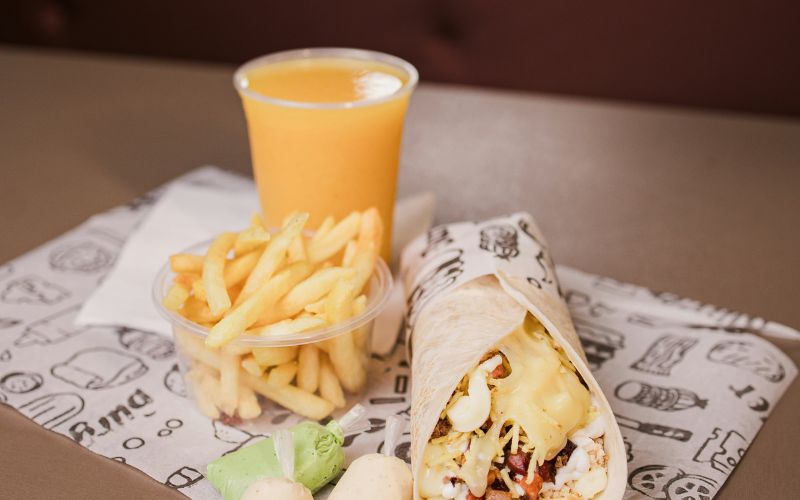
Shawarma spread to USA through Middle Eastern immigrants in the 20th century. It gained popularity in:
- New York City
- Los Angeles
- Detroit
Shawarma Global Popularity
Today, shawarma global popularity continues to grow due to:
- Food trucks
- Mediterranean fast-casual chains
- Social media exposure
How It Works / How It Is Made
Traditional Cooking Process
- Meat is thinly sliced.
- It is marinated with spices like cumin, paprika, and garlic.
- Slices are stacked on a vertical spit.
- Meat rotates and slow-roasts for hours.
- Thin layers are shaved off for serving.
Key Flavor Components
- Yogurt-based marinades
- Garlic sauce or tahini
- Pickled vegetables
- Warm pita bread
Types / Variations / Categories
Meat Options
Regional Differences
- Lebanese style (garlic-forward)
- Syrian style (heavier pickles)
- Israeli variation (served with salads and sauces)
Benefits / Advantages
Nutritional Benefits
- High protein
- Balanced carbs and vegetables
- Can be grilled and low-fat
Practical Advantages
- Portable
- Customizable
- Great for meal prep
Comparison with Similar Alternatives
Shawarma is often compared to:
- Gyro
- Doner kebab
Key Differences
| Dish | Origin | Spice Profile |
| Shawarma | Levant | Warm Middle Eastern spices |
| Gyro | Greece | Herb-based seasoning |
| Doner | Turkey | Simpler seasoning |
Flavor Distinction
Shawarma tends to have deeper spice complexity due to Middle Eastern marinades.
How It Is Used / Applications
In the United States
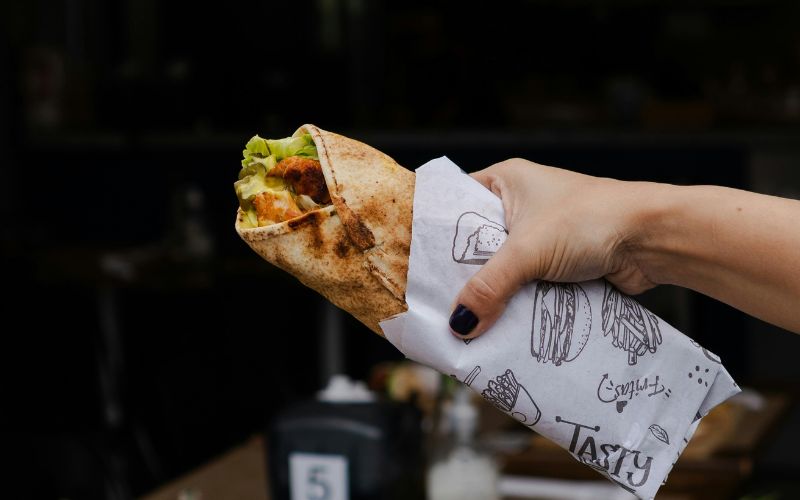
- Street food
- Fast-casual dining
- Catering services
Modern Trends
- Shawarma bowls
- Vegan shawarma
- Fusion tacos
Best Practices / Expert Tips
Authentic Preparation Tips
- Marinate meat for at least 12 hours
- Use thigh meat for juiciness
- Slice thinly against the grain
Serving Tips
- Warm pita before wrapping
- Balance sauces carefully
- Add crunch with pickles
Common Mistakes to Avoid
Cooking Errors
- Skipping marination
- Overcooking meat
- Cutting slices too thick
Serving Errors
- Using dry bread
- Overloading sauces
- Ignoring balance of flavors
Step-by-Step Guide (Home Version)
Quick Home Recipe
- Slice chicken thighs thinly.
- Mix with garlic, cumin, paprika, turmeric, lemon juice.
- Marinate overnight.
- Roast at 400°F.
- Broil briefly for char.
- Slice thinly and serve in pita.
Pro Tip
Use skewers stacked vertically in your oven to mimic rotisserie style.
Tools / Ingredients / Requirements
Essential Tools
- Sharp knife
- Baking tray or rotisserie
- Mixing bowl
Core Ingredients
- Chicken or lamb
- Garlic
- Cumin
- Paprika
- Yogurt
- Lemon juice
Real-World Examples
In cities like Dearborn, shawarma restaurants reflect strong Middle Eastern heritage.
Food scenes in Austin and Chicago showcase shawarma as part of mainstream American dining.
FAQs
1. Where is shawarma originally from?
It originated in the Levant region under Ottoman influence.
2. Is shawarma Turkish or Arabic?
It has Ottoman Turkish cooking roots but evolved culturally in Arab Levant countries.
3. When did shawarma come to America?
It gained popularity in the late 20th century through immigration.
4. What makes shawarma different from gyro?
Spice blend and cultural origin differentiate them.
5. Why is shawarma so popular globally?
Its portability, flavor depth, and adaptability drive shawarma global popularity.
Conclusion / Final Thoughts + Call to Action
The Origin of Shawarma (Where Is Shawarma From) begins in the Levant and the Ottoman Empire but continues today in American cities nationwide.
From its vertical spit innovation to its global street food status, shawarma represents culinary history meeting modern convenience.
If you want to explore authentic recipes, sauces, and comparisons, dive deeper into our shawarma guides and bring real Middle Eastern flavor into your kitchen today.
4 Replies to “Origin of Shawarma (Where Is Shawarma From?)”