Introduction
Food Open is more than just a concept it represents open access to recipes, cooking knowledge, ingredient transparency, and global food culture. In today’s digital-first world, Food Open empowers home cooks across the USA to explore flavors, learn techniques, and confidently prepare meals at home.
Food isn’t just fuel. It’s culture, creativity, and connection. Whether you’re a beginner in the kitchen or an experienced home chef, Food Open helps you cook smarter, healthier, and more confidently.
What is Food Open?
Food Open is a modern approach to cooking that promotes open access to recipes, food knowledge, and ingredient transparency. It encourages home cooking, global flavor exploration, and beginner-friendly learning while supporting healthier eating and community-based recipe sharing.
What Is Food Open? (Meaning & Overview)
Food Open refers to the open sharing of:
- Recipes
- Cooking methods
- Ingredient knowledge
- Nutritional information
- Cultural food traditions
It promotes accessibility, inclusivity, and transparency in cooking.
Core Principles of Food Open
- Open recipe sharing
- Ingredient awareness
- Global cuisine exploration
- Beginner-friendly education
Simple Definition
Food Open means making food knowledge available, accessible, and adaptable for everyone.
History & Background of Open Food Culture
Food culture has evolved significantly over centuries.
Early Cooking & Human Evolution
Cooking dates back thousands of years. Research from National Geographic highlights how cooking shaped human development and community bonding.
Cultural Expansion of Recipes
As civilizations expanded:
- Mediterranean cuisine emphasized olive oil and herbs
- Asian cuisines developed stir-frying and fermentation
- Middle Eastern dishes introduced bold spice blends
- American cuisine embraced fusion cooking
The Digital Revolution
Modern platforms like Wikipedia and food blogs helped make recipes globally accessible, leading to the Food Open movement.
How Food Open Works
Food Open operates through three main pillars:
1. Accessibility
Anyone can:
- Access step-by-step recipes
- Learn cooking basicsUnderstand ingredients
- Try international dishes
2. Transparency
Organizations like the U.S. Department of Agriculture provide food data that supports informed cooking decisions.
3. Community Sharing
Food Open thrives on:
- Recipe exchanges
- Cooking tutorials
- Cultural storytelling
- Practical tips
Types & Variations of Food Open Recipes
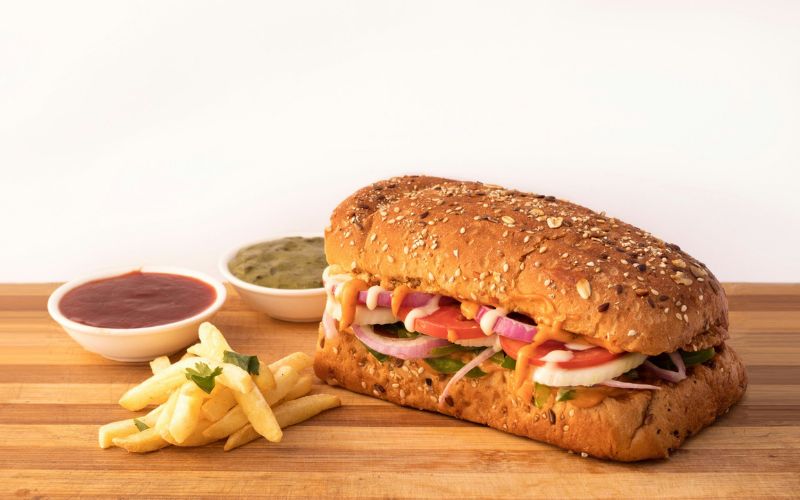
Food Open includes multiple recipe categories.
Quick & Easy Recipes
- 30-minute meals
- One-pot dinners
- Sheet pan dishes
Healthy & Balanced Meals
- High-protein bowls
- Low-carb meals
- Plant-based recipes
Comfort Food
- Mac & cheese
- BBQ chicken
- Meatloaf
Global Cuisine
- Mediterranean bowls
- Mexican tacos
- Italian pasta
- Asian stir-fry
Meal Prep Options
- Weekly batch cooking
- Freezer-friendly meals
- Budget meal plans
Benefits & Advantages of Food Open
Saves Money
Home cooking reduces dining-out costs.
Improves Health
You control:
- Salt
- Sugar
- Fat
- Portion sizes
According to Harvard T.H. Chan School of Public Health, home cooking improves dietary quality.
Builds Cooking Skills
You develop:
- Knife skills
- Timing
- Flavor balancing
Encourages Creativity
Food Open allows ingredient swaps and experimentation.
Food Open vs Traditional Cookbooks
| Feature | Food Open | Traditional Cookbooks |
| Accessibility | Free online | Paid |
| Updates | Instant | Static |
| Community Input | Yes | No |
| Multimedia | Video + images | Limited |
Which Is Better?
Food Open offers flexibility and constant updates, while cookbooks provide curated expertise.
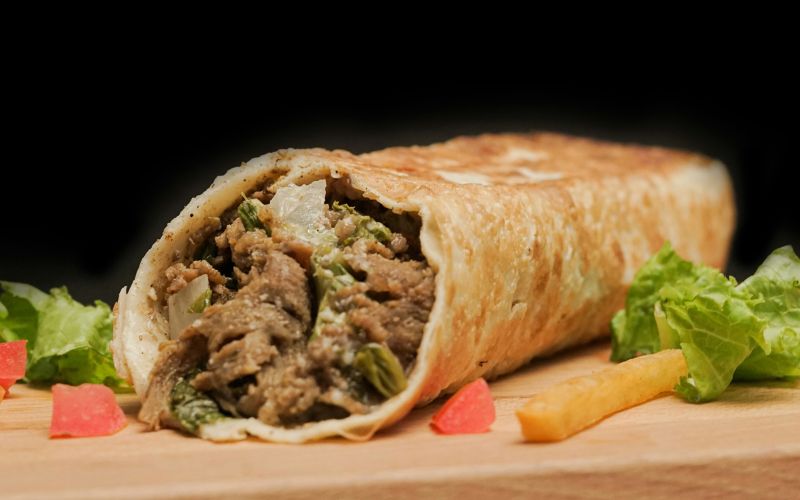
Applications & Real-Life Use Cases
Food Open is used daily by:
Busy Parents
Quick weeknight dinner solutions.
Fitness Enthusiasts
Macro-friendly meal planning.
College Students
Budget-friendly recipes.
Food Bloggers
Content creation and recipe testing.
Best Practices & Expert Tips
Read the Full Recipe First
Avoid mistakes by understanding steps before starting.
Practice Mise en Place
Prepare ingredients in advance.
Taste as You Cook
Balance:
- Salt
- Acid
- Sweetness
- Fat
Invest in Quality Tools
A sharp chef’s knife improves precision and safety.
Common Mistakes to Avoid
Overcrowding the Pan
Causes steaming instead of browning.
Not Preheating the Oven
Leads to uneven cooking.
Skipping Rest Time for Meat
Reduces juiciness.
Ignoring Measurements in Baking
Baking requires precision.
Step-by-Step Guide to Creating a Food Open Recipe
Step 1 – Choose a Base
Protein, vegetables, or grains.
Step 2 – Add Flavor Builders
Garlic, onions, herbs, spices.
Step 3 – Select Cooking Method
- Roasting
- Grilling
- Baking
- Sautéing
Step 4 – Add Texture
Crunchy toppings or creamy sauces.
Step 5 – Garnish & Serve
Presentation enhances enjoyment.
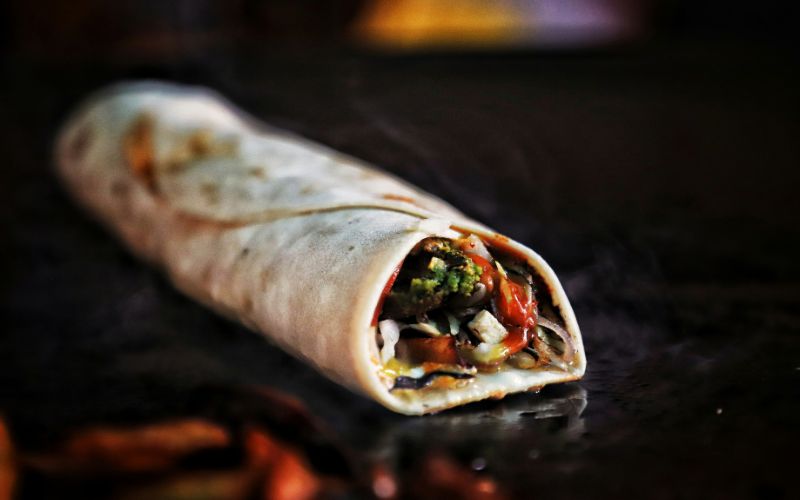
Tools & Ingredients You Need
Essential Kitchen Tools
- Chef’s knife
- Cutting board
- Cast iron skillet
- Baking sheet
- Food thermometer
Pantry Staples
- Olive oil
- Salt & pepper
- Vinegar
- Rice & pasta
- Garlic
Real-World Example – Mediterranean Bowl
Ingredients
- Grilled chicken
- Brown rice
- Cherry tomatoes
- Cucumber
- Feta cheese
- Lemon-tahini sauce
Why It Works
- Balanced nutrients
- Fresh ingredients
- Customizable
Customization Ideas
Swap chicken for tofu or shrimp.
Frequently Asked Questions (FAQs)
1. What does Food Open mean?
It promotes open access to recipes and food education.
2. Is Food Open suitable for beginners?
Yes. It’s designed to be beginner-friendly.
3. Is home cooking healthier?
Often yes, due to ingredient control.
4. How can I start with Food Open?
Begin with simple 30-minute meals.
5. Can Food Open support special diets?
Yes, including keto, vegan, and gluten-free.
Conclusion & Final Thoughts
Food Open empowers individuals to take control of their kitchen and nutrition. It combines accessibility, transparency, and creativity making cooking enjoyable and practical for modern American households.
Start small. Cook one new meal this week. Explore one global cuisine. Share one recipe.
Food is better when it’s open.